PET Scan: What to Expect, Preparation & Cost
A PET scan uses a radioactive tracer to show how your tissues are working. Allow 2–3 hours at the clinic. Preparation, costs and Medicare coverage explained.
- Time at clinic
- 2–3 hrs
- Typical cost
- $0–$100 if Medicare-covered
- Referral
- Specialist referral
- Radiation
- Low dose
What to expect at your PET scan
Step 1 of 5


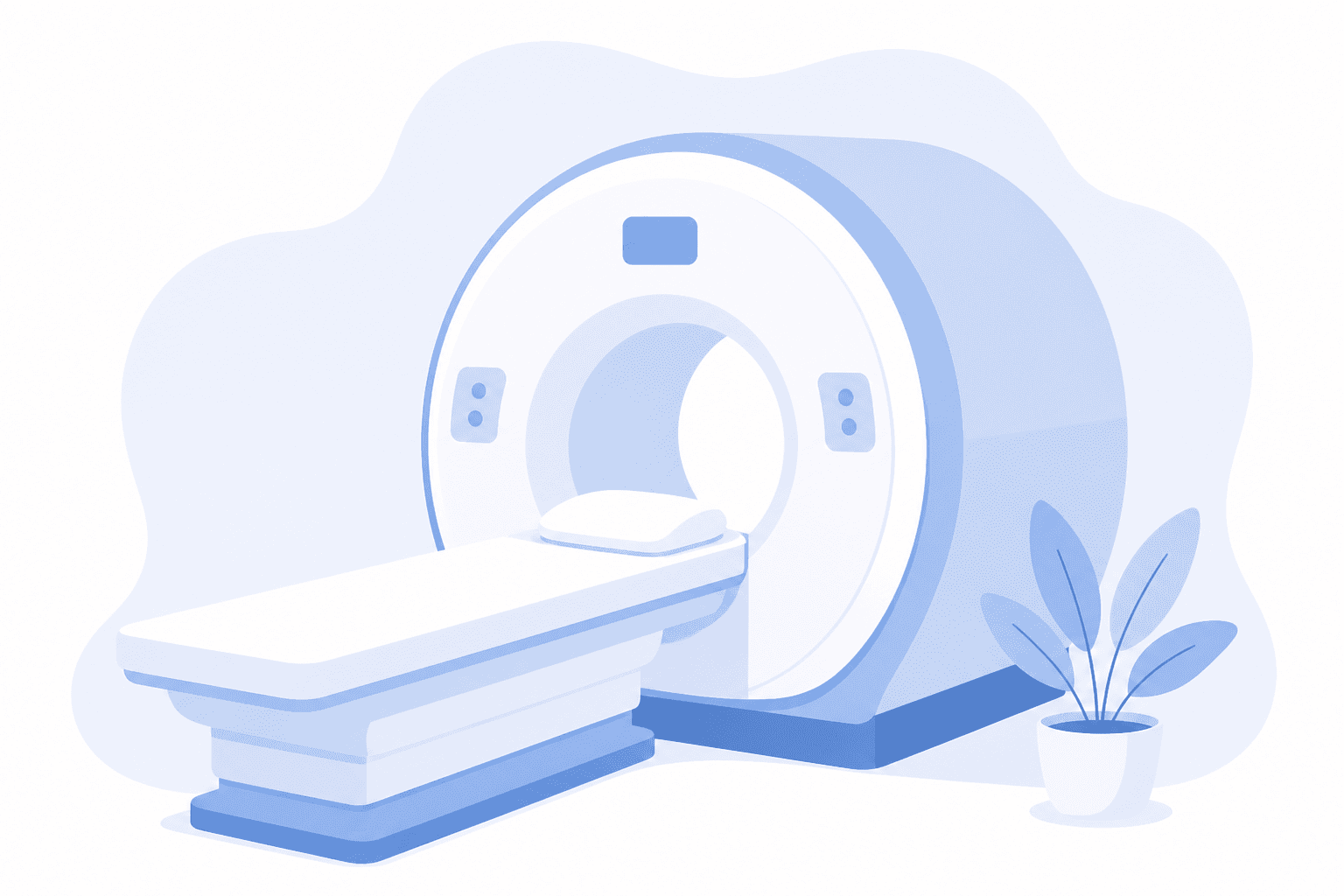

Arrive and check in
10 min earlyReferral + Medicare card. You'll usually fast for a few hours beforehand.
Plays automatically. Tap a step to jump
In this guide
What is a PET scan?
A PET (Positron Emission Tomography) scan is a nuclear medicine imaging test that shows how your organs and tissues are functioning. Unlike CT or MRI which show structure, PET shows metabolic activity - how cells are using energy.
A small amount of radioactive tracer (most commonly fluorodeoxyglucose, or FDG) is injected into your bloodstream. Cancer cells, areas of infection, and inflamed tissues use more glucose than normal cells, so they light up on the scan. This makes PET especially valuable in cancer diagnosis and monitoring.
What can a PET scan detect?
PET scans are most commonly used for:
- Cancer - detecting tumours, determining whether cancer has spread (staging), monitoring treatment response, and checking for recurrence
- Heart conditions - assessing blood flow to the heart, identifying damaged heart tissue after a heart attack
- Brain conditions - evaluating Alzheimer's disease, epilepsy, and brain tumours
- Infection and inflammation - finding sources of infection, assessing inflammatory conditions like sarcoidosis
PET is often combined with CT (PET/CT) to provide both functional and structural information in a single session. This combined scan gives your doctor a complete picture of what's happening inside your body.
How to prepare for a PET scan
PET scan preparation is important for accurate results:
- Fast for 4-6 hours before the scan (water is OK). This ensures your blood sugar is at a normal level so the tracer is absorbed correctly.
- Avoid strenuous exercise for 24-48 hours before the scan - active muscles absorb more tracer and can affect results.
- Tell the clinic if you have diabetes - blood sugar levels need to be managed carefully. You may be given special instructions about insulin and medications.
- Wear warm, comfortable clothing - being cold can activate brown fat which absorbs the tracer.
- Tell the clinic about all medications you're taking.
- You may need to avoid caffeine for 24 hours before (for cardiac PET scans).
The clinic will provide detailed preparation instructions specific to your scan type.
What happens during a PET scan?
The process takes about 2-3 hours in total, though the actual scan is only 20-40 minutes:
1. Injection: A small amount of radioactive tracer is injected into a vein in your arm. 2. Rest period: You rest quietly for 60-90 minutes while the tracer distributes through your body. You'll be asked to avoid talking and moving to prevent the tracer concentrating in muscles. 3. Scanning: You lie on a table that moves through a scanner (similar in appearance to a CT scanner). You need to stay still during the scan.
The scan is painless apart from the needle prick. The amount of radiation is small and passes out of your body within hours. You can resume normal activities immediately after.
How much does a PET scan cost in Australia?
PET scans are among the more expensive imaging tests:
- Medicare-covered: $0-$100 out-of-pocket. Medicare covers PET scans for specific approved indications (mostly cancer-related) when requested by a specialist.
- Without Medicare coverage: $800-$2,500+
Medicare coverage for PET scans is limited to specific clinical scenarios. Your specialist will know whether your scan qualifies. If covered, most centres bulk-bill or charge a small gap.
PET scanners are only available at major hospitals and specialist nuclear medicine centres, so you may need to travel to a larger centre.
Compare PET Scan clinics near you
See clinic locations, reviews and pricing information where available. The clinic confirms your appointment and any applicable fees.
Book PET Scan with RadlyIs a PET scan safe?
PET scans are safe. The radioactive tracer used delivers a radiation dose similar to a CT scan (approximately 5-10 mSv). The tracer decays quickly and is cleared from your body within hours through normal urination.
After your scan, you may be advised to:
- Drink plenty of water to flush the tracer from your system
- Avoid close contact with pregnant women and young children for a few hours (as a precaution)
PET scans are generally avoided during pregnancy. Tell the clinic if you are pregnant, breastfeeding, or think you might be pregnant.
Your choice of clinic.
One place to start.
Compare clinics, choose the one that suits you and send your appointment request. The clinic contacts you to confirm.
Book PET Scan with RadlyMedical disclaimer: This guide is for general informational purposes only and is not a substitute for professional medical advice. Always consult your referring doctor for advice specific to your condition. Information is current as of April 2026.